
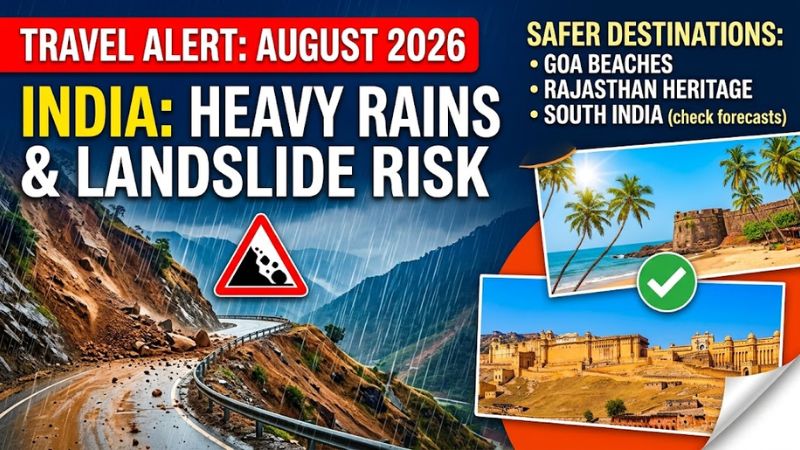
Planning a holiday in India this August? Before booking your hotel, flight or road trip, it is important to check the latest weather conditions.
India Travel Alert August 2026 The India Meteorological Department (IMD) is forecasting an active monsoon spell across several parts of India during August 2026. The latest forecasts indicate heavy to very heavy rainfall in multiple regions, with particular concerns around flash floods, waterlogging, landslides and travel disruption in vulnerable areas.
For travellers, this does not mean that all of India should be avoided. Instead, your destination and travel style need to be chosen carefully.
Hilly areas, mountain roads, river valleys and locations prone to landslides require extra caution, while city-based holidays and destinations with more reliable transport options may be easier to manage.
In this guide, we explain the India Travel Advisory for August 2026, destinations where travellers should reconsider plans, places that may still work with proper weather checks, and important monsoon travel tips.
India Travel Advisory August 2026: What Is Happening?
India is experiencing an active monsoon phase, with several regions receiving heavy rainfall.
The latest IMD forecast indicates significant rainfall activity across northwest, central, eastern, northeastern, western and southern parts of the country. Some Himalayan areas are also facing flash-flood and landslide concerns.
According to the latest IMD forecast, heavy to very heavy rainfall is expected in parts of:
- Himachal Pradesh
- Uttarakhand
- Jammu & Kashmir and Ladakh
- Rajasthan
- Uttar Pradesh
- Northeast India
- Odisha
- West Bengal
- Konkan and Goa
- Kerala
- Karnataka
- Other parts of central and southern India
The exact weather situation can change quickly, so travellers should check the latest local forecast before departure.
Which Places Should Travellers Reconsider in August 2026?
There is no nationwide travel ban, but some destinations require considerably more caution because of their geography and weather exposure.
1. Himachal Pradesh
Himachal Pradesh should be one of the destinations travellers monitor most carefully during the current weather spell.
The latest IMD information indicates heavy to very heavy rainfall in parts of Himachal Pradesh, including periods of increased rainfall activity through mid-August.
Heavy rainfall can create problems such as:
- Landslides
- Rockfalls
- Road closures
- Flash floods
- Traffic delays
- Disruption to local sightseeing
- Sudden changes in mountain-road conditions
Popular destinations such as Manali, Shimla, Kullu, Kasol and Dharamshala can be affected differently depending on local weather.
Should you cancel a Himachal trip?
Not necessarily.
However, travellers planning a road trip should avoid making a rigid itinerary and should check road conditions and weather alerts immediately before travelling.
If the IMD or local authorities issue a serious warning for your destination, postponing the trip is the safer option.
2. Uttarakhand
Uttarakhand is another region where monsoon travellers should exercise extra caution.
The combination of steep mountain terrain, heavy rainfall and narrow roads can increase the possibility of landslides and flash floods.
The latest IMD forecast has highlighted rainfall activity over Uttarakhand, including periods of heavy rainfall.
Travellers heading towards destinations such as:
- Mussoorie
- Rishikesh
- Nainital
- Kedarnath
- Badrinath
- Auli
- Chopta
should check the latest local conditions before travelling.
Pilgrimage routes and remote mountain roads deserve particular attention because weather-related disruptions can affect road access.
3. Northeast India
The Northeast remains another region where monsoon conditions can affect travel plans.
Heavy rainfall can lead to:
- Landslides
- Road blockages
- Flooding
- Delayed transportation
- Difficult driving conditions
Travellers visiting Meghalaya, Assam, Arunachal Pradesh, Sikkim and neighbouring areas should check the weather forecast and local road conditions before starting a journey.
The IMD has also reported significant rainfall activity across eastern and northeastern India.
4. Goa and Konkan Coast
Goa remains a popular destination during August, but travellers should understand that August falls within the monsoon season.
The Konkan region and Goa can experience heavy spells of rain, thunderstorms and rough weather.
This does not automatically mean Goa is off-limits.
However, if your holiday is mainly about:
- Beach activities
- Water sports
- Boat trips
- Outdoor sightseeing
- Long coastal drives
you should keep your itinerary flexible.
Check the forecast immediately before booking activities.
5. Kerala and Karnataka
Southern India is also experiencing active monsoon conditions.
The IMD has specifically issued rainfall warnings for Kerala and parts of Karnataka during the current period.
This means Kerala should not simply be described as a “safe August destination”.
Instead, Kerala can be considered weather-dependent.
For travellers visiting Kerala during August, city and resort-based itineraries may be easier to manage than plans involving extensive road travel in areas vulnerable to heavy rain.
Is Ladakh Safe to Visit in August 2026?
Ladakh is traditionally considered one of the better places in India for a monsoon-season holiday because much of the region lies in a rain-shadow area.
However, travellers should not assume that Ladakh is completely weather-proof in August 2026.
The latest IMD forecast has indicated heavy to very heavy rainfall over Jammu & Kashmir and Ladakh on August 11.
Therefore, if you are planning a Ladakh trip:
- Check the latest weather forecast
- Check road and highway conditions
- Confirm flight status
- Check local authority advisories
- Avoid unnecessary high-altitude travel during severe weather
- Keep buffer days in your itinerary
Ladakh may still be a good option during the wider monsoon season, but current weather conditions should take priority over general destination advice.
What Are the Better Travel Options in August 2026?
Instead of asking which destination is completely “safe”, a better question is:
Which destinations are relatively easier to travel to under current weather conditions?
The answer depends on the latest forecast at the time of departure.
Rajasthan — Choose Carefully
Rajasthan is often considered a good monsoon alternative because many travellers prefer its heritage and city-based experiences.
However, the current IMD forecast also includes heavy rainfall warnings for parts of Rajasthan.
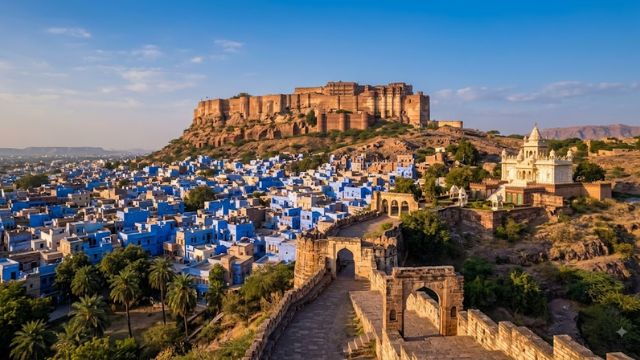
Therefore, destinations such as Jaipur, Udaipur, Jodhpur and Jaisalmer should still be checked against the latest local forecast.
A flexible city-based itinerary can be preferable to remote road travel during periods of heavy rain.
City Breaks Can Be Easier
One of the smartest strategies during uncertain monsoon weather is choosing a destination where you have:
- Good airport connectivity
- Multiple hotels
- Reliable taxis
- Indoor attractions
- Restaurants and shopping options
- Alternative sightseeing activities
Large cities can therefore be easier to manage than remote mountain destinations during periods of severe weather.
August 2026 Travel: Destinations to Watch
| Destination/Region | August 2026 Situation | Traveller Advice |
|---|---|---|
| Himachal Pradesh | Heavy rain risk | Reconsider during severe alerts |
| Uttarakhand | Heavy rain/flash-flood risk | Check before travelling |
| Northeast India | Heavy rainfall possible | Monitor local conditions |
| Goa | Monsoon + heavy rain possible | Flexible itinerary |
| Konkan Coast | Heavy rainfall possible | Check forecast |
| Kerala | Active monsoon | Weather-dependent |
| Karnataka | Rainfall activity | Check local conditions |
| Ladakh | Weather can vary; rain warning issued | Check latest forecast |
| Rajasthan | Rainfall possible in parts | Choose itinerary carefully |
| Major cities | Generally easier to manage | Good option for flexible trips |
Weather conditions can change quickly. This table is a planning guide, not a guarantee of safety.
7 Monsoon Travel Tips for August 2026
1. Check the Weather Before Leaving
Don’t rely only on a weather forecast checked several days earlier.
Check the latest forecast immediately before departure.
For mountain destinations, checking local road and authority updates is equally important.
2. Avoid Tight Itineraries
If you are travelling during monsoon season, don’t plan every hour of your trip.
Keep at least one buffer day if possible.
A road closure or delayed flight should not ruin your entire holiday.
3. Be Careful With Mountain Road Trips
Mountain roads can become dangerous during heavy rainfall.
Avoid unnecessary driving during intense rain, particularly at night.
If local authorities advise against travelling on a particular route, follow the advisory.
4. Keep Travel Insurance
Travel insurance can be particularly useful for monsoon travel.
Before purchasing a policy, understand what is covered for:
- Trip cancellation
- Flight delays
- Missed connections
- Natural disasters
- Emergency accommodation
- Medical emergencies
5. Confirm Hotel Cancellation Policies
Weather-related disruption can change your travel plans.
Whenever possible, choose hotels with flexible cancellation or modification policies.
6. Keep Alternative Plans
If your outdoor sightseeing plan gets cancelled because of rain, have alternatives ready.
For example:
Outdoor plan: Fort + sightseeing
Backup plan: Museum + café + shopping + indoor attractions
This can make your holiday much less stressful.
7. Follow Local Authorities
Weather apps are useful, but local government and disaster-management advisories should take priority during serious weather events.
If authorities restrict access to a road, trekking route or tourist attraction, don’t attempt to bypass the restriction.
Should You Cancel Your August Holiday?
Not automatically.
India is a huge country, and monsoon conditions can vary dramatically between states and even between nearby districts.
The correct approach is:
Check → Compare → Plan → Recheck → Travel
If your destination is under a serious weather warning, postponing the trip may be the best option.
If your destination has manageable conditions, you can still enjoy an August holiday by keeping your itinerary flexible.
What About Families and Senior Citizens?
Families travelling with children, elderly travellers and people who are uncomfortable with unpredictable road conditions should be especially careful when choosing mountain destinations during heavy rainfall.
A city-based holiday with reliable transport, comfortable accommodation and indoor attractions may provide a more relaxed experience.
For family holidays, avoid choosing a destination purely because it looks beautiful during the monsoon.
Accessibility and weather conditions should come first.
Should You Book a Package During Monsoon?
A professionally planned package can make monsoon travel easier because the itinerary can be adjusted according to weather conditions.
Before booking, ask your travel company:
- What happens if roads are closed?
- Can the itinerary be modified?
- What happens if a flight is cancelled?
- Is hotel cancellation flexible?
- Are sightseeing activities weather-dependent?
- What happens if local authorities restrict access?
These questions can save travellers considerable stress.
If you are planning an upcoming holiday from Delhi, you can explore Travelistaan’s tour packages and speak with the team about destination selection and itinerary planning.
Final Verdict: Where Should You Travel in August 2026?
The August 2026 monsoon situation does not mean that travellers should stop travelling across India.
Instead, travellers should avoid blindly booking destinations based on old “best places to visit” lists.
The latest weather situation should determine your choice.
Destinations requiring extra caution
❌ Himachal Pradesh during severe weather alerts
❌ Uttarakhand during heavy-rain periods
❌ Landslide-prone Northeast routes
❌ Konkan/Goa during intense rain spells
❌ Mountain road trips during extreme weather
Destinations that may work with proper planning
✅ Selected Rajasthan city trips, depending on local forecast
✅ Major city breaks
✅ Flexible itineraries with good transport connectivity
✅ Ladakh when current local conditions and travel routes are favourable
✅ Kerala/Karnataka trips when the latest forecast is manageable
The key message for August 2026 is simple:
Weather conditions can change quickly, so always check the latest IMD forecast and local advisories before departure. The current IMD outlook confirms that several regions are experiencing active monsoon conditions and that some Himalayan areas face increased flash-flood or heavy-rain risks.
Plan Your August Holiday With Travelistaan
Planning a domestic or international holiday from Delhi?
Travelistaan can help you compare destinations, plan your itinerary, arrange hotels and flights, and choose travel options based on your preferred dates and budget.
Explore Travelistaan tour packages or contact the Travelistaan team before finalising your August travel plans.
FAQs
Is it safe to travel in India in August 2026?
Yes, travel is possible, but conditions vary significantly by destination. Travellers should check the latest weather and local advisories before departure.
Is Himachal Pradesh safe in August 2026?
Himachal Pradesh is experiencing periods of heavy rainfall, so travellers should check the latest IMD and local advisories before travelling, particularly for road trips and remote areas.
Is Uttarakhand safe to visit in August 2026?
Uttarakhand requires extra caution during heavy rainfall because of the possibility of landslides and flash floods. Check conditions immediately before travelling.
Can I visit Ladakh in August 2026?
Ladakh can be a popular monsoon-season destination, but current weather conditions must be checked. The latest IMD forecast includes a heavy-rainfall warning for Ladakh on August 11, 2026.
Is Goa good for an August trip?
Goa can be visited in August, but it is monsoon season. Heavy rain can affect beaches, water activities and outdoor sightseeing, so keep your itinerary flexible.
Which are the safest places to travel in August 2026?
There is no destination that can be guaranteed to be completely safe based only on the month. Choose destinations with favourable current weather, reliable transportation and fewer weather-related risks, and recheck conditions before departure.
Should I book a monsoon tour package?
You can, but choose flexible bookings and ask about cancellation, itinerary changes and weather-related disruptions before making payment.